

Introduction

In 2025, selecting the right type of home in Malaysia involves weighing factors like value, comfort, and potential for growth, especially when comparing condos, apartments, and flats. These terms might seem interchangeable at first glance, but they each offer distinct advantages that can significantly impact your budget, daily lifestyle, and long-term financial strategy. This comprehensive guide will break down the key differences between flats, apartments, and condominiums, providing insights into what to expect in the evolving Malaysian property market this year. For a quick overview, begin your comparison and refer back to this page for detailed analysis to make an informed, scalable decision.
Understanding the Terms: Flat, Apartment, and Condominium
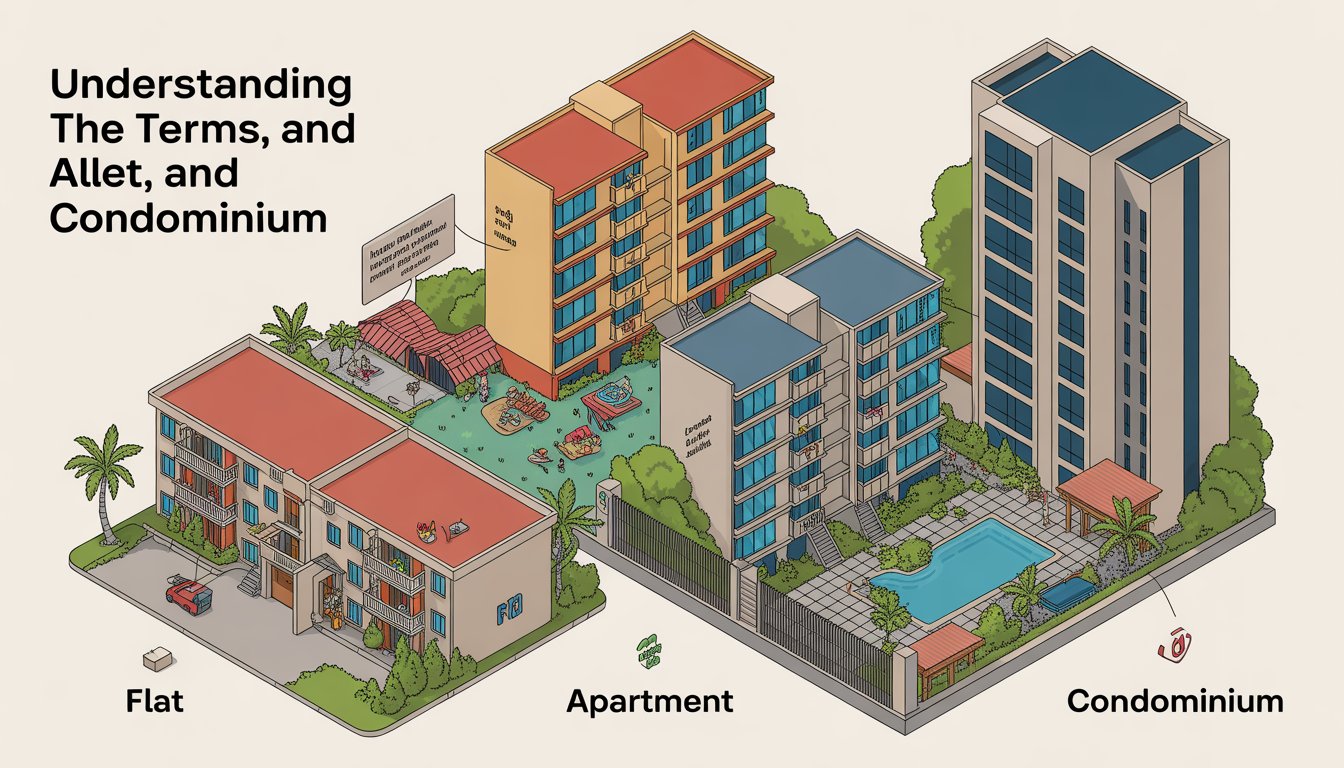
While these housing terms are often used casually in everyday conversations, they hold specific meanings in the Malaysian real estate context that can influence your purchasing or renting decisions. Gaining a clear understanding of each type allows for better negotiation, more accurate budgeting, and confident planning for your future living arrangements. This section delves into the definitions to clarify their unique characteristics.
What is a Flat?
A flat is typically a basic, multi-storey housing unit designed with modest shared areas to prioritize affordability and essential living needs. In Malaysia, flats are often aimed at entry-level buyers or renters who seek simple, practical spaces without unnecessary frills, making them an ideal choice for those starting out or on a tight budget. These units usually feature straightforward layouts that emphasize functionality over luxury, allowing residents to customize their space as needed. Overall, flats provide a no-nonsense approach to housing that appeals to individuals focused on cost-efficiency.
What is an Apartment?
An apartment refers to a residential unit within a larger building that is generally managed by a single owner or property company, with tenants renting rather than owning the space. Facilities in apartments are typically moderate, offering more than basic essentials but not reaching the premium levels found in other options, which suits those looking for a balance between cost and convenience. In the Malaysian market, apartments are popular among young professionals and families who value rental flexibility without the commitment of ownership. This setup allows for easier mobility, as renters can relocate with relative ease compared to property owners.
What is a Condominium?
A condominium, or condo, is a strata-titled unit that individuals can own outright, complete with access to shared premium facilities managed by a collective body. These properties often include lifestyle-enhancing amenities and structured maintenance, which justify their higher prices and ongoing fees but deliver added value in terms of comfort and community. In Malaysia, condos are favored by those seeking long-term investment potential alongside upscale living experiences. The ownership model also provides a sense of security and belonging, as residents have a stake in the property’s upkeep and improvements.
Key Differences Between Flats, Apartments, and Condominiums
Distinguishing between flats, apartments, and condominiums involves examining aspects like ownership models, management styles, available amenities, and overall costs, which are becoming even more pronounced with advancements in digital tools and security standards in 2025. These differences can guide you toward the option that best aligns with your lifestyle and financial goals in the Malaysian property landscape. To illustrate, consider how each type varies in key areas, with projections for the coming year highlighting emerging trends such as enhanced tech integration.
When comparing ownership, flats offer the flexibility to own or rent with generally lower entry costs, making them accessible for first-time entrants into the housing market. Apartments focus on rental arrangements under a centralized owner, providing ease for those not ready to commit to buying. Condominiums emphasize strata ownership, which includes shared responsibilities and potential for capital growth, appealing to investors. In terms of amenities, flats stick to basics to keep expenses down, while apartments offer moderate features like gyms and parking; condos, however, provide premium options such as pools and co-working spaces that enhance daily living.
Security features also differ significantly: flats may have limited measures, apartments often include improved CCTV and guards, and condos boast advanced systems like app-based access. Flexibility is another factor, with flats prioritizing affordability, apartments offering rental ease, and condos focusing on long-term value. For 2025 in Malaysia, expect clearer strata rules, tech upgrades in condos, and varying costs in RM that scale with facilities and maintenance needs.
Terminology and Regional Usage
In Malaysia, the term ‘flat’ is commonly associated with basic housing blocks that feature fewer luxurious elements, often found in urban or suburban areas catering to budget-conscious residents. ‘Apartment’ typically denotes a rental-oriented building with mid-level features, making it a go-to choice for transient populations like students or expatriates. ‘Condominium’ implies private ownership within a community-focused setup, emphasizing a lifestyle of convenience and exclusivity. Understanding these regional nuances helps in navigating property listings and discussions with agents more effectively.
Ownership and Land Status
Flats can be either freehold or leasehold, depending on the development’s history and location, which affects long-term value and resale potential. Apartments are usually owned by a single entity or landlord, positioning you as a tenant without direct ownership rights over the unit or land. Condominiums operate under strata titles, granting you legal ownership of your unit along with proportional shares in common areas, fostering a sense of investment. This structure in Malaysia ensures that condo owners have a voice in property management decisions through joint committees.
Available Facilities and Amenities
Flats generally limit facilities to essentials like basic lifts and open spaces to maintain low maintenance fees, appealing to those who prefer minimalism. Apartments often include added conveniences such as assigned parking, elevators, and occasionally a small gym or community room, providing a step up without excessive costs. Condominiums elevate the experience with extensive amenities including swimming pools, landscaped gardens, and co-working lounges, designed to support a modern, active lifestyle. In 2025, expect more eco-friendly additions like solar panels in higher-end developments across Malaysia.
Privacy and Security Features
Privacy in flats is functional but basic, with simple access controls that may not include advanced monitoring, requiring residents to implement their own measures. Apartments are stepping up with features like CCTV surveillance and guarded entrances, offering a moderate level of security that balances cost and protection. Condominiums provide comprehensive privacy through multi-layered systems, including staffed lobbies, visitor management apps, and restricted access points, ensuring peace of mind. These enhancements are particularly relevant in urban Malaysian settings where security concerns are on the rise.
Cost Implications and Financial Considerations
Flats help keep monthly expenses low, though owners might need to invest in personal improvements to enhance livability over time. Apartments bundle costs into predictable rent payments, simplifying budgeting for tenants who avoid unexpected repair bills. Condominiums involve maintenance fees and sinking funds that contribute to property upkeep, potentially leading to appreciation and strong rental yields in the Malaysian market. Factoring in RM-based costs like utilities and insurance is crucial for a realistic financial plan in 2025.
Exploring Condominiums in Detail
Condominiums are an excellent fit for those desiring ownership combined with scalable amenities that adapt to changing life stages, particularly as management technologies and energy-efficient features become more prominent in 2025 decisions. This section provides a deeper look into what makes condos a compelling choice in Malaysia. From facilities to costs, understanding these elements can help you evaluate if a condo aligns with your aspirations.
Typical Facilities and Amenities
Condominiums often feature a range of facilities like swimming pools, fully equipped gyms, and multipurpose halls that cater to diverse resident needs. Emerging standards include co-working spaces, parcel collection lockers, and electric vehicle charging stations, reflecting modern lifestyle demands in Malaysia. High-speed fiber optic internet readiness is also becoming commonplace, ensuring seamless connectivity for work-from-home setups. These amenities not only enhance daily convenience but also contribute to the property’s overall appeal and resale value.
Safety and Security Measures
Security in condominiums is robust, incorporating layered protections such as guarded gates, access control cards for elevators, and integrated surveillance systems. Visitor management applications allow for efficient check-ins and detailed logging, minimizing unauthorized access. Many developments now include automated features like license plate recognition and round-the-clock patrols, providing comprehensive safety. In the context of 2025 Malaysia, these tech-driven measures are essential for urban living security.
Cost Breakdown and Ownership Expenses
Ownership costs for condominiums include regular maintenance fees that cover communal upkeep, alongside a sinking fund for major repairs, typically calculated in RM per square foot. Premium amenities can increase these fees, but they also elevate the living experience and potential property value over time. Additional expenses such as renovations, property insurance, and occasional special assessments should be budgeted annually to avoid financial strain. Understanding these breakdowns helps in making informed decisions about affordability in the Malaysian market.
Exploring Apartments in Detail
Apartments offer a flexible housing solution that balances comfort with the ability to adapt to life changes, and in 2025, landlords are expected to elevate standards to attract and retain quality tenants in Malaysia. This exploration highlights the key aspects of apartment living. Whether you’re renting short-term or long-term, these details can guide your choice.
Typical Facilities and Amenities
Apartments commonly provide essential facilities like elevators, basic fitness centers, and sometimes a modest swimming pool to meet resident expectations. Assigned parking spots with visitor allocations and community rooms for gatherings add to the convenience without overwhelming costs. Simple playgrounds or recreational areas are often included, making them suitable for families or young professionals. In Malaysia’s competitive rental market, these amenities help apartments stand out while keeping rent affordable.
Safety and Security Measures
Standard security in apartments includes gated entrances and CCTV coverage in common areas, providing a foundational level of protection for residents. The presence of security guards can vary based on the building’s tier and location, often more prominent in urban settings. Access cards for lobbies and elevators during certain hours further enhance control over who enters the premises. These measures contribute to a secure environment, especially important in densely populated Malaysian cities.
Cost Breakdown and Rental Expenses
The primary expense for apartment renters is the monthly rent in RM, which typically covers basic utilities and access to facilities. Security deposits, usually equivalent to one or two months’ rent, are required under Malaysian tenancy laws to cover potential damages or unpaid bills. While minor maintenance might fall to the tenant, major repairs are generally the landlord’s responsibility, offering some financial predictability. Budgeting for potential rent increases tied to market trends is advisable for long-term planning.
Exploring Flats in Detail
Flats represent a straightforward and economical housing option, perfect for those aiming to minimize expenses while focusing on core living essentials in Malaysia. As property trends evolve in 2025, flats continue to appeal to budget-savvy individuals. This section examines their features in greater depth.
Typical Facilities and Amenities
Facilities in flats are kept minimal, often limited to stair access, basic elevators, and open communal spaces that prioritize practicality over extravagance. These setups allow residents to enjoy essential conveniences without the burden of high maintenance fees, trading luxury for significant cost savings. Community areas are designed for everyday use, such as laundry facilities or small gathering spots, fitting the needs of modest lifestyles. In Malaysia, this approach makes flats accessible for a wide range of income levels.
Safety and Security Measures
Security in flats can vary by building and management, with basic features like adequate lighting and selective CCTV installation providing essential protection. Residents may choose to supplement these with personal security devices for added reassurance in urban environments. Management often focuses on cost-effective measures rather than comprehensive systems, which suits the affordable nature of flats. In 2025, improvements in community watch programs could enhance overall safety in Malaysian flat complexes.
Cost Breakdown and Expenses
Monthly fees for flats are generally lower than other options, helping to reduce overall living expenses and allowing for better financial control. Occasional special levies might be imposed for necessary repairs or upgrades to the building. Unit-specific improvements, such as interior renovations, are typically handled by the owner or renter at their own expense, offering customization opportunities. This structure supports predictable budgeting, especially appealing in Malaysia’s dynamic economy.
Is a Condo Better Than an Apartment?
The question of whether a condo is superior to an apartment hinges on your personal objectives, time horizon, and tolerance for financial commitments, with ownership fostering equity and renting promoting adaptability. In the Malaysian context for 2025, evaluating these options requires considering how they fit into your projected life changes over the next few years. This section weighs the pros and cons to help clarify your preferences.
Pros and Cons of Living in a Condo
Living in a condo offers the benefits of ownership, access to premium amenities, and the potential for property value appreciation, making it a solid investment choice. However, it comes with ongoing maintenance fees, strict community rules, and considerations for liquidity when selling. In 2025, effective management can significantly enhance the living experience, while poor oversight might diminish it. Overall, condos suit those planning for long-term stability in Malaysia.
Pros and Cons of Living in an Apartment
Apartment living provides flexibility in relocation and simpler budgeting without the burdens of ownership responsibilities. On the downside, renters forgo building equity and may face escalating rents influenced by market demands and inflation. Premium amenities might be limited compared to condos, potentially affecting lifestyle quality. In Malaysia, negotiating favorable lease terms can help mitigate some of these drawbacks for tenants.
Key Factors to Consider When Choosing Between a Flat, Apartment, or Condo
When deciding between a flat, apartment, or condo in Malaysia, it’s helpful to create a detailed comparison using tools like a desktop spreadsheet to list essentials, desirables, and projected monthly costs in RM. This methodical approach ensures you evaluate options side by side for clarity. Key considerations include amenities, security, and financial implications, tailored to your unique situation in 2025.
Facilities and Amenities
Assess which facilities and amenities align with your daily routine, such as whether a gym or pool would be regularly used to justify any associated costs. Prioritizing features that enhance your lifestyle without unnecessary extras can prevent overpaying for underutilized perks. In Malaysia, newer developments are incorporating sustainable amenities, which could influence your choice for long-term value. Ultimately, select based on practical usage to maximize satisfaction.
Safety and Security
Evaluate the security measures in place, including access controls, guard availability, and historical incident reports to ensure a safe environment. Conducting a nighttime visit can reveal the effectiveness of lighting and overall visibility in the property. Reviewing the management’s protocols for handling emergencies provides insight into their preparedness. In urban Malaysian areas, robust security is crucial for peace of mind.
Cost and Financial Aspects
Develop a comprehensive model that includes fees, utilities, insurance, and even commuting expenses to get a full picture of affordability. Anticipate potential changes in rent or loan repayments under varying interest rates to prepare for economic shifts. Maintaining a three-month emergency fund can safeguard against unexpected financial burdens. This thorough analysis supports sound decision-making in the 2025 market.
Ownership vs. Renting
Ownership through options like condos builds lasting assets and stability, ideal for those with a settled horizon. Renting apartments or flats offers agility, particularly beneficial during career transitions or uncertain times. Your decision should reflect a five-year plan, considering how life changes might affect housing needs. In Malaysia, market trends can further influence the advantages of each path.
Maintenance Responsibilities
Understand the division of maintenance duties, where condos often cover common areas efficiently through collective funds. Flats might demand more individual effort for upkeep, allowing for personalization but adding to personal costs. Apartments typically shift major responsibilities to landlords, easing tenant burdens. Clarifying these aspects upfront prevents surprises in daily living.
Rules and Regulations
Familiarize yourself with house rules, including renovation policies and restrictions on pets or short-term stays, to ensure they align with your lifestyle. Enforcement mechanisms and potential penalties should be reviewed for their impact on everyday activities. In communal settings like Malaysian condos, these regulations foster harmony but require adherence. Choosing a property with flexible yet fair rules can enhance your overall experience.
Buying a Condominium vs. Renting an Apartment
Both buying a condominium and renting an apartment present viable paths that can adapt to your evolving needs, with choices centered on protecting cash flow while fulfilling lifestyle requirements in Malaysia. This comparison highlights the advantages and drawbacks to inform your strategy. Consider how each option supports your financial and personal goals in 2025.
Advantages and Drawbacks of Buying a Condo
Purchasing a condo allows you to benefit from property appreciation and the possibility of generating rental income, building wealth over time. However, it involves ongoing fees, exposure to interest rate fluctuations, and potential delays in resale processes. Opting for well-managed properties in strong locations can help offset these risks effectively. In Malaysia, this ownership model is increasingly attractive for long-term investors.
Advantages and Drawbacks of Renting an Apartment
Renting an apartment eliminates the need for substantial down payments and long-term commitments, offering financial and locational flexibility. Drawbacks include the risk of rent increases and the absence of equity accumulation, which can affect future wealth. Skilled negotiation of lease terms can alleviate some concerns, such as securing fixed-rate periods. This approach suits those prioritizing mobility in Malaysia’s dynamic job market.
Which Option is Best for You: Condo, Apartment, or Flat?
Determining the best housing option—condo, apartment, or flat—begins with aligning it to your lifestyle, then scaling accordingly to ensure it meets your routine, budget resilience, and mobility requirements in Malaysia. Regularly revisiting your choice, perhaps every six months in 2025, allows for adjustments as circumstances change. This section guides you through a personal assessment to find the ideal fit.
Personal Lifestyle and Needs Assessment
Begin by clarifying your priorities for space, commute times, and essential amenities to identify what truly enhances your daily life. Consider if community features like shared facilities would be actively used or if simpler setups suffice for your routine. Selecting an environment that you will consistently engage with ensures long-term satisfaction and value. In Malaysia, tailoring this to urban or suburban preferences can refine your options further.
Long-Term Financial Goals
If building equity is a key objective, leaning toward condominiums can provide a pathway to asset accumulation and stability. For those valuing agility and minimal commitments, apartments offer the flexibility needed during transitional periods. Flats excel in delivering frugality with predictable savings, ideal for cost-conscious planners. Aligning your choice with a multi-year financial strategy is essential in the 2025 Malaysian market.
Location and Market Considerations
Examine local infrastructure developments and rental demand trends to gauge a location’s potential for growth and convenience. Areas with improving connectivity, such as new transit links or amenities, can enhance livability and resale value. Strong micro-locations provide robust support for both current enjoyment and future exit strategies. In Malaysia, staying informed on market shifts ensures a wise investment or rental decision.