

Introduction

Nasi Dagang Terengganu is a coastal classic you can master at home this year, even if it’s your first time tackling steamed rice in coconut milk with rich gulai and bright, crunchy sides. In this warm, step-by-step walkthrough, you’ll compare options for rice types, cooking methods, and side dishes so you can choose what fits your kitchen, schedule, and taste. If you’ve been searching for a reliable, mobile-friendly guide to nasi dagang terengganu, you’re in the right place.
We’ll keep things skimmable and safe: you’ll learn exact soak times, liquid ratios, and food-safety checkpoints for fish, coconut milk, and leftovers. Every step is easy to follow on your phone or tablet, so you can cook confidently without juggling multiple tabs. Let’s start by setting you up with the right ingredients and a plan that feels manageable for weeknights or special weekends. Whether you’re new to Malaysian food or a seasoned cook, this guide emphasizes authentic flavors while incorporating modern tips for better flow and efficiency.
Cara Masak Nasi Dagang Terengganu
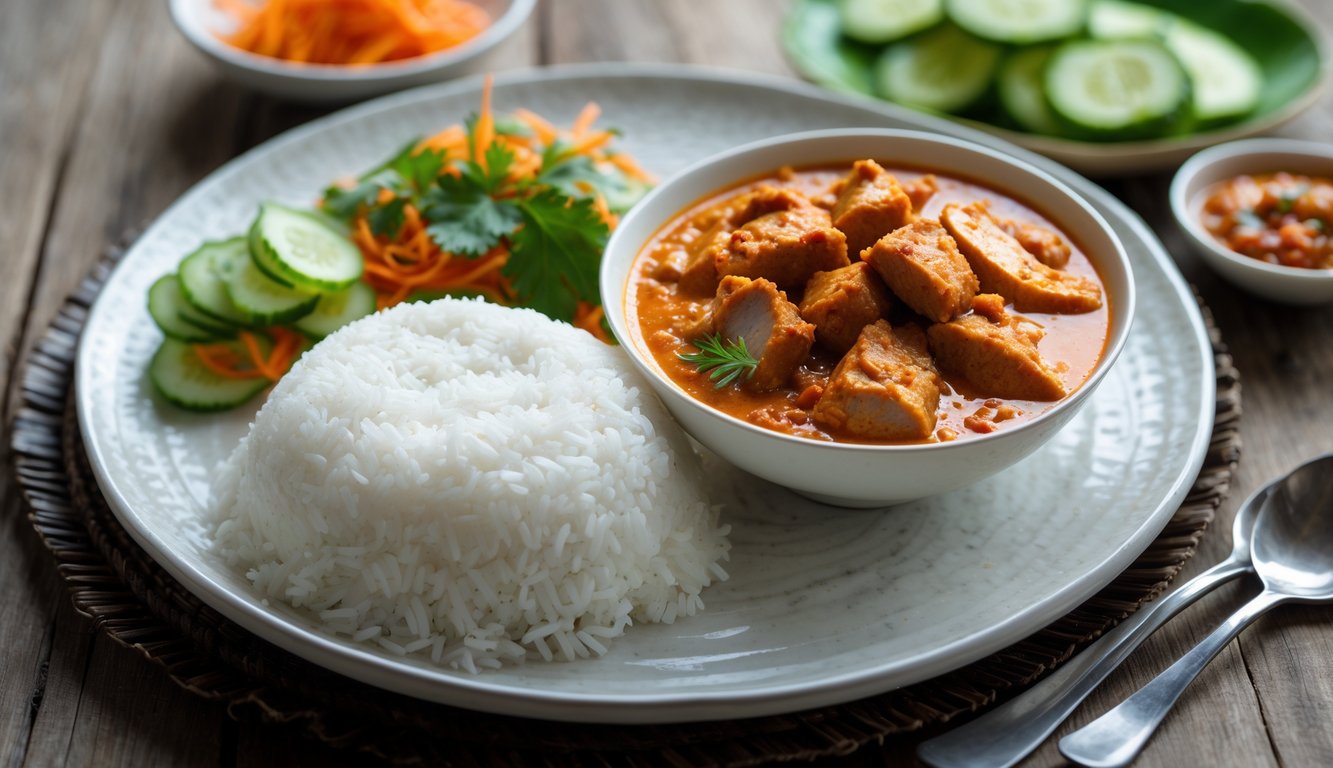
At its heart, Nasi Dagang Terengganu combines fragrant rice cooked gently in coconut milk with a flavorful gulai ikan, often using tuna or mackerel, alongside acar timun and optional sambal. This dish highlights the unique textures and aromas of Terengganu cuisine, making it a beloved choice for both everyday meals and special occasions. In the following sections, we’ll break down the key components, from selecting ingredients to mastering the cooking techniques, ensuring you achieve that perfect balance of flavors and safety in your preparation.
Bahan Utama
For the rice, you’ll ideally use beras dagang, a specialty grain with a light reddish tint that provides the authentic chewy texture essential to nasi dagang terengganu. If beras dagang is unavailable, a mix of 70% jasmine and 30% glutinous rice serves as an excellent substitute, offering a similar stickiness and aroma while being easier to source. Coconut milk should be fresh or from a high-quality carton, diluted to medium richness to prevent the rice from becoming overly greasy, which helps maintain the dish’s signature fluffiness. For the gulai, opt for firm fish like ikan tongkol or mackerel, ensuring it’s kept chilled below 4°C until use to prioritize food safety and freshness.
You’ll also want aromatics that define Terengganu’s style: shallots, ginger, lemongrass, fenugreek seeds, and pandan leaves. These ingredients impart a gentle perfume that enhances the overall dish without overpowering the subtle coconut notes. For finishing touches, prepare fried shallots and a light drizzle of coconut milk for added gloss, but apply them sparingly to preserve the fluffy texture that makes nasi dagang so appealing.
| Rice option | Soak time | Liquid ratio (first cook) | Notes |
|---|---|---|---|
| Beras dagang | 4–6 hours | 1 cup rice : 1 cup medium coconut milk + 1/4 cup water | Distinct, slightly chewy; traditional profile. |
| 70% jasmine + 30% glutinous | 2 hours | 1 cup mix : 1 cup medium coconut milk | Closer to home pantry; watch for over-softening. |
| Jasmine only | 1 hour | 1 cup rice : 3/4 cup medium coconut milk + 1/4 cup water | Light texture; less sticky, mild aroma. |
Senang, Sedap & Berbaloi
To keep your time and budget steady, plan around what’s easy to get at nearby markets, as this ensures a smoother cooking experience without unnecessary hassle. Beras dagang can be pricier, so the jasmine blend is a smart alternative that still delivers a satisfying bite and helps you stay within budget while exploring Malaysian food. When you choose medium coconut milk over thick cream, you’ll strike the right balance of richness without breaking the bank or compromising the texture, making the dish more accessible for regular home cooking. Flavor-wise, don’t over-spice the rice, allowing the lemongrass and fenugreek to whisper subtly, which results in a sedap (delicious) outcome that’s truly worth your effort and encourages repeated attempts.
Rahsia Memasak Juadah Makan Malam Bermula Jam…
If you’re cooking for dinner, start soaking the rice after lunch so the grains hydrate properly by late afternoon, setting the stage for a stress-free evening preparation. Begin the rice about 60–75 minutes before serving, then simmer the gulai while the rice rests between steamings, which helps maintain a calm kitchen environment and ensures everything is ready simultaneously. This flow not only keeps your meal hot but also minimizes last-minute panic, allowing you to enjoy the process of creating authentic nasi dagang terengganu. For safety, marinate fish in the fridge and only bring it out right before cooking, while keeping coconut milk chilled until mixing, and never leave cooked dishes at room temperature longer than two hours to prevent any foodborne issues.
To prepare, rinse and soak the rice according to the recommended times, then drain well before heating the aromatics like ginger, lemongrass, shallots, and fenugreek in a pot. Add the drained rice, stir briefly, then pour in the measured coconut milk and water along with pandan and a pinch of salt, cooking until the liquid is nearly absorbed. Steam covered on low until just set, fluff and rest for 10 minutes, followed by a second steaming for 8–10 minutes to achieve even, tender grains. Cook the gulai ikan separately, hold it warm above 60°C, and assemble with acar timun and optional sambal tumis ikan bilis for a complete meal.
If you prefer a rice cooker, use the same ratios and stop when the cooker clicks to warm, then switch to steam mode for the second steaming or finish on the stovetop steamer. Pressure cookers work too—use low-pressure for a brief cycle and finish with a short steam to avoid over-softening. These adaptations make the recipe versatile for different kitchen setups, enhancing its appeal for modern cooks.
Nasi Dagang dan Acar Timun
Acar timun brings a refreshing crunch that balances the richness of coconut rice and gulai, making it an essential side for nasi dagang terengganu. This simple quick-pickle uses vinegar, sugar, and a touch of chili to create a tangy contrast that elevates the entire dish. In the sections below, we’ll explore the ingredients and preparation steps to help you integrate this vibrant element seamlessly into your meal.
Bahan untuk Acar Timun
Use firm cucumbers, halved lengthwise and thinly sliced, plus slivers of red onion and carrots for added color and crunch that complement the nasi dagang’s textures. A mix of rice vinegar, sugar, and a pinch of salt creates the brine—taste it first to ensure it’s tangy with gentle sweetness, adjusting as needed for personal preference. If you’re sensitive to heat, slice chilies lengthwise and remove seeds; wear gloves and avoid touching your face for safety during preparation. Combine the vegetables and brine, then let them rest for at least 20 minutes, allowing the salt to draw out moisture while the vinegar infuses each slice with flavor, resulting in a crisp, clean counterpoint to the rich rice and gulai.
Bahan untuk Nasi
For the rice’s aromatic base, slice shallots thinly, bruise lemongrass, and matchstick the ginger to release their flavors effectively during cooking. A few fenugreek seeds add subtle nuttiness—just a pinch is enough to enhance without dominating the dish. Tie pandan leaves into a knot for easy removal after cooking so your nasi dagang terengganu rice doesn’t end up with fibrous strands, maintaining a smooth eating experience. Measure salt and coconut milk carefully to protect the grain integrity, as too much fat can cause clumping while too much water turns the rice mushy, and using a simple kitchen scale or measuring cups ensures consistent results every time.
Kongsi Pengalaman Anda!
Your kitchen, your style—so it’s helpful to note what works in your cookware, allowing you to refine your approach to nasi dagang terengganu over time. If your pot runs hot, you may reduce the first-cook liquid by a few tablespoons to prevent over-softening and achieve the ideal texture. If you love richer rice, finish with a light drizzle of warm coconut milk just before serving and gently fold through for enhanced flavor. Try both beras dagang and the jasmine blend on different weekends to compare the bite and aroma, and keep a quick diary of soak times, liquid ratios, and results to lock in your perfect house version in no time.
Soalan & Jawapan
Can you swap fish types? Yes—choose firm, meaty fish that won’t flake apart too easily in the gulai, such as mackerel or snapper, to maintain the dish’s integrity. Is the double steaming necessary? It gives you that distinct, tender grain—a hallmark of nasi dagang done right, ensuring each bite is fluffy and flavorful. Worried about coconut milk splitting? Keep heat gentle and stir with a soft hand, and you’ll be fine, preventing separation and achieving a smooth consistency. These common questions address key concerns for home cooks exploring Malaysian food like nasi dagang terengganu.
Sambal Tumis Ikan Bilis Cili Padi
Sambal tumis ikan bilis with cili padi adds a fiery accent that you can scale to your heat tolerance, providing an exciting layer to nasi dagang terengganu. This condiment involves a slow sauté of a blended base including dried chilies, onion, garlic, and belacan, which builds deep flavor before adding anchovies for crunch and savoriness. When paired with acar timun, the combination creates a harmonious trio with the rice and gulai, enhancing the overall dining experience.
Senang, Sedap & Berbaloi! Rahsia Memasak Juadah Makan Malam Bermula Jam…
If dinner starts at 7:30 pm, blend your sambal base by 6:00 pm and slow-cook it until the oil separates—about 25–30 minutes on low—to develop rich flavors without rushing. Stir in the rinsed, dried anchovies in the final 5–8 minutes so they stay crunchy, adding a delightful texture to the sambal. For safety, cool any leftover sambal quickly and refrigerate in a clean, dry container; the oil layer helps preserve it for a few days, making it convenient for future meals. To manage heat, use a mix of dried chilies for color and a few cili padi for kick, tasting as you go to ensure the sambal enhances rather than overpowers the nasi dagang terengganu and gulai.
Resepi-Resepi Lain
Once you’ve nailed your Nasi Dagang Terengganu, it’s fun to explore other classics that complement a Malaysian meal, expanding your repertoire of flavors and techniques. The recipes below are brief primers so you can compare options and decide what to try next, considering factors like effort, cost in RM, and suitability for weeknights or weekends. This section aims to inspire continued culinary adventures while tying back to the comforting essence of dishes like nasi dagang terengganu.
Kuih Lopes, Manisnya Resepi Orang Lama
Kuih Lopes features glutinous rice shaped into logs, rolled in grated coconut, and served with gula melaka syrup, offering a sweet contrast to savory meals like nasi dagang terengganu. It’s wonderfully chewy and lightly scented with pandan, which echoes some aromas from the rice dish. Make it on a relaxed weekend and refrigerate leftovers; drizzle syrup just before serving so the texture stays springy and inviting. This traditional dessert is not only simple to prepare but also a great way to use up extra glutinous rice from your nasi dagang experiments.
Resepi Ikan Tenggiri Masak Cuka, Rasa Asli Orang Lama
This vinegar-based fish dish is tangy, light, and perfect when you want something less creamy than gulai, providing a refreshing alternative in Malaysian food pairings. Fry the fish until just crisp, then simmer briefly in the pickled sauce so it absorbs flavor without drying out, resulting in tender, flavorful bites. Serve alongside rice and simple greens for a complete, balanced plate that complements the richness of nasi dagang terengganu. Its authentic, old-school taste makes it a timeless addition to your recipe collection.
Resepi Cucur Kentang Crispy
These potato fritters turn out crunchy outside and soft inside with a quick batter and hot oil, making them an easy snack or side for nasi dagang terengganu. Season with shallots, chives, and a pinch of chili flakes to lift the flavor and add a subtle kick. Keep batches small so the oil temperature stays stable and your cucur remains crisp, ensuring consistent results. They’re budget-friendly and versatile, perfect for rounding out a meal or enjoying on their own.
Resepi Tomyam Ayam Sempoi
A clear, zesty broth with lemongrass, kaffir lime leaves, and chilies turns simple chicken into a satisfying soup that contrasts nicely with richer rice dishes. Balance sourness and saltiness at the end so the flavors brighten without becoming harsh, creating a harmonious taste profile. It’s a great addition when you want something lighter alongside nasi dagang terengganu, and its simplicity makes it ideal for quick weeknight cooking. This tomyam variant is approachable for beginners while delivering authentic Thai-Malaysian fusion vibes.
Resepi Sambal Sardin Legend!
Canned sardines in tomato sauce become comforting sambal with onions, chilies, and a squeeze of lime, offering a quick and economical side or topping for leftover nasi dagang rice. It’s budget-friendly, fast, and happily pairs with the coconut milk rice for an effortless meal upgrade. Simmer gently to avoid breaking the fish into tiny pieces, preserving texture and appeal. This legendary recipe is a staple for many households, providing familiar flavors with minimal effort.
Chocomalt Tiramisu
This playful twist layers malted chocolate cream with coffee-soaked biscuits for a nostalgic dessert that can follow a hearty nasi dagang terengganu meal. It sets best after several hours in the fridge, so plan ahead to allow the flavors to meld perfectly. Dust with cocoa right before serving for a neat finish and deeper aroma that enhances the overall indulgence. It’s a fun, modern take on classic tiramisu with a Malaysian-inspired malt twist.
Resepi Apam Nasi yang Mudah, Gebu & Sedap!
Apam nasi is an airy steamed cake that cleverly uses leftover cooked rice in the batter, making it a sustainable choice after preparing nasi dagang terengganu. A short fermentation develops pleasant tang and height, contributing to its fluffy (gebu) texture. Steam over steady heat to avoid collapsing and serve warm with grated coconut for added freshness. This easy recipe is sedap and perfect for utilizing extras, turning potential waste into a delightful treat.
Bihun Goreng Singapore yang Penuh Rasa untuk Bila-Bila Masa!
Light and savory, this stir-fried rice vermicelli gets flavor from garlic, soy, and a touch of white pepper, making it a versatile dish for any time. Keep the wok hot and toss quickly so the noodles stay springy and absorb the seasonings evenly. Add vegetables or shrimp to make it a full one-pan meal that pairs well with elements of nasi dagang terengganu. Its full rasa (flavor) makes it a go-to for quick, satisfying eats.
Resepi Berkaitan
Want to compare more options before you shop? Here are streamlined notes to help you decide how to assemble your nasi dagang terengganu set, focusing on cost in RM, prep time, and how each component complements the rice. This section builds on the main recipe by highlighting related ingredients and variations for a more comprehensive cooking plan.
Bahan Utama
Choose beras dagang if authenticity is your priority and you don’t mind a slightly longer soak, as it provides the true essence of nasi dagang terengganu. If you’re cost-conscious, the jasmine blend is reliable and usually cheaper per kilo, making it a practical choice for frequent cooking. For the fish, tongkol is traditional, but mackerel or even snapper fillets work if handled gently to avoid overcooking. These selections ensure your dish remains flavorful and true to its roots while fitting various budgets and availability.
Bahan untuk Acar Timun
Rice vinegar gives a clean profile, while apple cider vinegar adds fruitiness; both are fine options for the brine in your acar timun. White sugar keeps the brine clear, but palm sugar offers depth and a subtle caramel note that can enhance the overall sweetness. If making ahead, keep vegetables and brine separate and combine 30 minutes before serving for maximum crunch, preserving the fresh texture that balances nasi dagang terengganu. This approach allows for better planning and ensures the side dish remains vibrant.
Komen dan Kongsi Pengalaman
Every kitchen learns a different rhythm, and sharing experiences can enrich the community of home cooks exploring nasi dagang terengganu. Your insights can help others compare methods and avoid guesswork, fostering a collaborative learning environment. In this section, we encourage you to contribute your thoughts on adaptations and successes.
Kongsi Pengalaman Anda!
Did you try beras dagang versus a jasmine blend? Tell us which gave the texture you love and how it affected the overall nasi dagang terengganu experience. If you used a rice cooker or pressure cooker, share your ratios and times so others can follow safely and achieve similar results. Your tips make the next cook’s first attempt smoother, building a helpful resource for Malaysian food enthusiasts. Whether it’s a small tweak or a major adaptation, every story adds value.
Resepi K.A. Club
Looking to keep exploring? Curate a small rotation of Malaysian favorites you can cook confidently any week of the year, including variations on nasi dagang terengganu. As you compare options, you’ll discover which recipes fit your routine and budget best, creating a personalized culinary journey.
Resepi K.A. Club
Pick one sweet, one soup, and one sambal each month to build range without overwhelm, gradually expanding your skills in Malaysian food. Keep a simple kitchen log—RM spent, prep time, and the family’s rating—to guide future menus and refine your favorites. Before long, your home table will feel like a cozy kedai with reliable favorites, including perfected nasi dagang terengganu. This structured approach makes cooking enjoyable and sustainable.
FAQs
Common questions about nasi dagang terengganu often revolve around ingredients, cooking methods, and safety, which we’ll address here to support your cooking success. These FAQs provide quick, practical answers to help you navigate the recipe with confidence. Refer back to them as needed for smooth preparation.
What rice is best for Nasi Dagang Terengganu?
Beras dagang is traditional and delivers the signature chewy, separated grains that define this dish. If you can’t find it, use a 70% jasmine and 30% glutinous mix for a similar feel, which many home cooks prefer for its accessibility. Soak times differ, so follow the guidance in the table to protect texture and ensure optimal results. This choice impacts the authenticity and mouthfeel of your nasi dagang terengganu.
Can I use a rice cooker or pressure cooker?
Yes, both appliances are suitable for preparing nasi dagang terengganu. In a rice cooker, use the same liquid ratio and stop at the first click to warm, then finish with a short steam to achieve the desired fluffiness. For a pressure cooker, use low pressure briefly and complete with a gentle steam so the grains don’t compact, preserving the dish’s texture. These methods make the recipe more convenient for busy kitchens.
How do I keep the dish safe to serve?
Keep fish refrigerated below 4°C until cooking to prevent bacterial growth, and hold cooked gulai above 60°C if it’s waiting to be served. Don’t leave coconut-milk dishes at room temperature for more than two hours, as this can lead to spoilage. Cool leftovers quickly in shallow containers for safe storage. Following these steps ensures your nasi dagang terengganu is not only delicious but also safe for everyone to enjoy.
What’s the best way to store and reheat leftovers?
Refrigerate rice and gulai in separate, airtight containers within two hours of cooking to maintain freshness. Reheat rice covered with a splash of water or coconut milk until steaming hot, which helps restore moisture. Bring gulai to a full simmer to ensure it’s heated through safely. Aim to finish leftovers within 2–3 days to avoid any quality decline in your nasi dagang terengganu.